Winterizing Your Home: Essential Steps for a Cozy and Safe Season Mar 25, 2026
As the temperatures begin to drop, the first step is to inspect your home for drafts. Check windows and doors, as these are common areas where heat escapes. Sealing gaps with weatherstripping or caulking can make a significant difference in maintaining warmth and reducing energy bills. Consider adding heavy curtains for an extra layer of insulation that also offers aesthetic appeal.
Heating systems are crucial during winter, so ensuring they are in peak condition is paramount. Schedule a professional inspection with Tidewater Home Services to identify and fix any issues in your heating system. Whether you rely on a furnace, heat pump, or boiler, routine maintenance helps prevent inconvenient breakdowns during a cold snap. A well-maintained system not only keeps you warm but operates more efficiently, extending equipment lifespan and saving on energy costs.
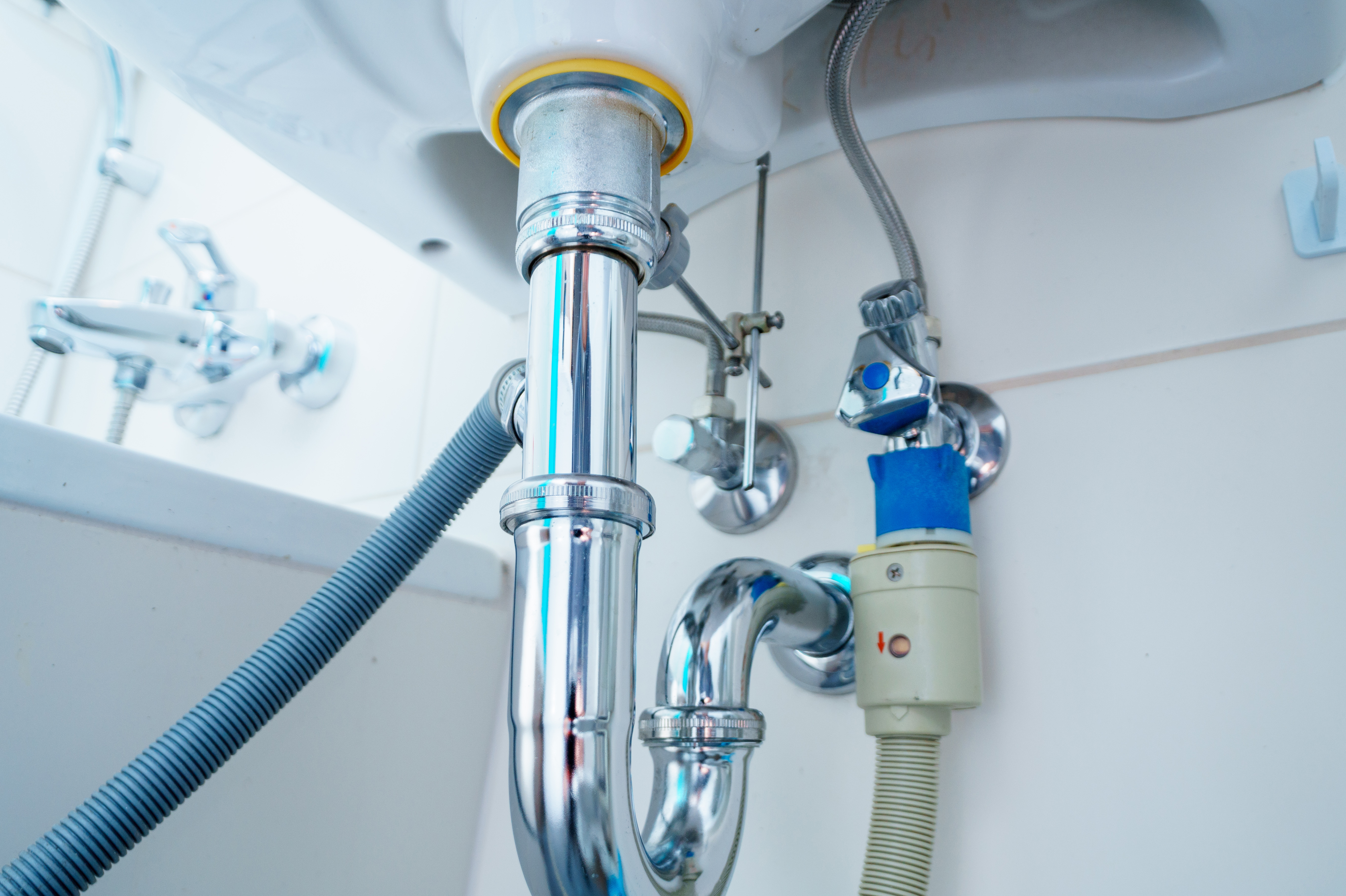
Water pipes are particularly vulnerable to freezing, which can lead to bursts and significant damage. Insulate exposed pipes in traditionally colder areas of your home, such as basements, attics, and garages. Additionally, disconnect outdoor hoses and install faucet covers, which can prevent freezing in outdoor plumbing. Ensuring your pipes are protected shields you from costly repairs and the hassle of dealing with water damage.
Beyond heating and plumbing, consider the benefits of attic insulation. Heat rises, and if your attic is inadequately insulated, you could lose a considerable amount of warmth. Upgrading or adding insulation in your attic keeps heat inside your home, therefore enhancing comfort and lowering heating expenses. Tidewater Home Services can provide expertise in determining the appropriate insulation needs of your property.
Many homeowners overlook their gutters, yet they play a critical role in protecting your home during winter. Clogged gutters can lead to ice dams, which cause water to leak into your roof. Clearing your gutters of leaves and debris ensures water flows away from your home properly, preventing ice formation and potential roof damage.
Outdoor maintenance should not be neglected either. Trim tree branches that hang close to your house or power lines as heavy snow and ice can cause them to break, leading to damage or outages. Also, ensure that your pathways and driveways are clear of leaves, debris, and snow to prevent slips and falls.
Finally, conduct safety checks for carbon monoxide detectors and smoke alarms. With increased indoor heating and cooking during winter, these devices are crucial for alerting you to potential dangers. Make it a point to test alarms, replace batteries, and ensure all safety devices are functioning correctly.
In conclusion, winterizing your home is about more than avoiding discomfort; it's an investment in safety and energy efficiency. By taking these essential steps, you can keep your home cozy while also protecting it from potential risks. For more guidance or assistance, Tidewater Home Services remains ready to help Virginia homeowners prepare for a warm and worry-free winter.
/filters:no_upscale()/filters:format(webp)/media/c12d447c-8e51-4753-8993-c7c537069134.jpeg)